
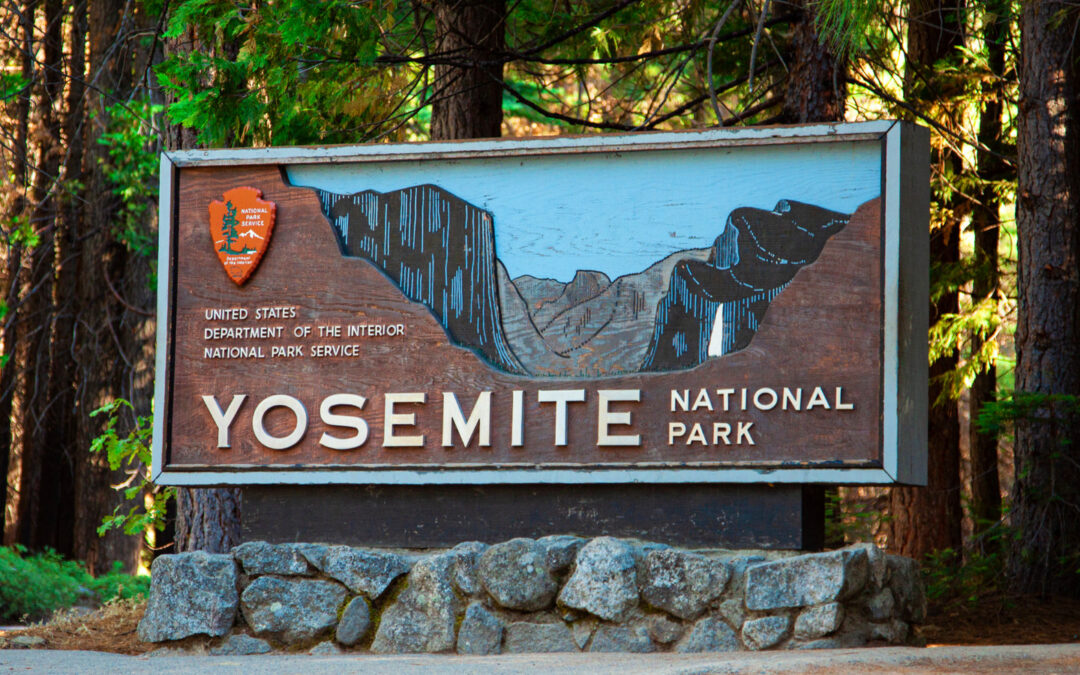
Yosemite National Park has issued a new warning about a rare tree hazard that caused the tragic death of a 29-year-old Google engineer last summer. This comes as Yosemite keeps quiet over recent visitor deaths following the Department of the Interior’s new communication ban.
The park’s latest alert is a grim reminder of its standing as the third-deadliest national park in the U.S.—a reputation attributed to Yosemite’s deceptive landscapes. Here are the environmental hazards visitors should be aware of before visiting this iconic national park.
Yosemite Warns Of Summer Tree Branch Drops After Google Engineer’s Death

Yosemite National Park posted a warning Monday about the “Summer Branch Drop (SBD) season.” SBD is a seasonal occurrence when a healthy-looking tree suddenly “loses a limb, oftentimes without warning.” In July 2025, 29-year-old Google engineer Angela Lin was killed after a falling branch from a giant sequoia tree struck her on the head during a hike with her friends in Yosemite’s Tuolumne Grove.
Yosemite’s social media alert cautions visitors that SBD mostly occurs in black oaks around the park during the summer, particularly during “hot, calm afternoons when there is no wind.” Here are some signs to watch out for:
|
– These breaks usually occur three to 12 feet away from the trunk along the length of the branch, unlike most wind-caused breaks that take place when a branch is attached directly to the trunk. |
|
|
– The failed limbs are typically long and horizontal, as opposed to upright, frequently extending to or beyond the average tree canopy. |
|
|
– Many of these falling branches appear to be quite sound, though some show evidence of wounds or decay. |
|
|
– Older and less vigorous trees seem to be more prone to summer branch drops. |
|
|
– A tree that has lost a limb due to SBD is more likely to lose another. |
SBDs are unpredictable, with no way to know exactly when they are going to happen. However, Yosemite has listed some safety tips that visitors should keep in mind to protect themselves from these potentially fatal branch drops.
How To Stay Safe From Summer Branch Drops In Yosemite
Yosemite urges tourists not to leave immobile people, such as infants or the elderly, directly under large oak trees. It is highly advised that you avoid sitting or pitching a tent directly under these trees on hot days.
Pay attention to the sounds overhead. If you hear a loud crack, quickly run away from the tree itself. Ultimately, the best way to avoid these dangerous falling limbs is to avoid trees that have already been impacted.
Make sure to report any sightings of a tree or branch drop to a park ranger. This helps park operations act on the matter immediately, as well as assess and monitor tree health. Keep in mind, however, that falling branches are just one of the many hidden risks in Yosemite’s beautiful landscapes.
How Yosemite Became The Third-Deadliest U.S. National Park

Yosemite is the third-deadliest national park in the U.S., based on data from personal injury firm Panish Shea Ravipudi LLP. The park saw 179 deaths between 2007 and 2024, right behind Lake Mead National Recreation Area and Grand Canyon National Park with 317 and 198 deaths, respectively. The leading cause of death in Yosemite is accidental falls or slips, making hiking and climbing the riskiest activities in the park.
Even the most seasoned hikers and climbers fall victim to Yosemite’s treacherous rocky terrain. According to National Park Service (NPS) data from 2019 to 2023, taking selfies near waterfalls was also a common cause of fatalities in the park, along with drownings, motor vehicle accidents, and medical emergencies within the park.
Yosemite’s vast wilderness presents a wide array of natural threats, with many of them remaining a mystery. Aside from the park’s rocky landscapes, sudden changes such as shifts in weather conditions and water currents can catch even the most cautious off guard. Visitors must then follow all warning signs and familiarize themselves with even the lesser-known hazards in Yosemite.
Other Environmental Hazards In Yosemite National Park

Aside from branch drops, Yosemite also highlights rockfalls in its safety guide. They are “relatively uncommon,” but occur several times in Yosemite Valley every year. They can cause serious injury or death. Like summer branch drops, it is impossible to track every potential rockfall site. Be extra careful when entering any area where rockfall may occur, like on or immediately below cliffs.
“In Yosemite, and in any natural area, it is up to you to be aware of your surroundings,” says the NPS.
Lightning is a more common occurrence in Yosemite, especially during summer afternoons. The best way to protect yourself from lightning is to take shelter in a substantial building or a hard-topped vehicle. “Ultimately, there is no safe shelter outside,” according to official park advice.
Lastly, visitors are alerted to wood smoke or emissions from campfires that can reduce air quality in and near campgrounds, especially at night and in the early morning. Elevated emissions may pose serious health risks for sensitive individuals. Yosemite warns that smoky conditions peak from spring through fall due to planned and unplanned fires.
Always remember that Yosemite is not only a destination but also home to over 400 species of wildlife and thousands of plant varieties.

Recent Comments