
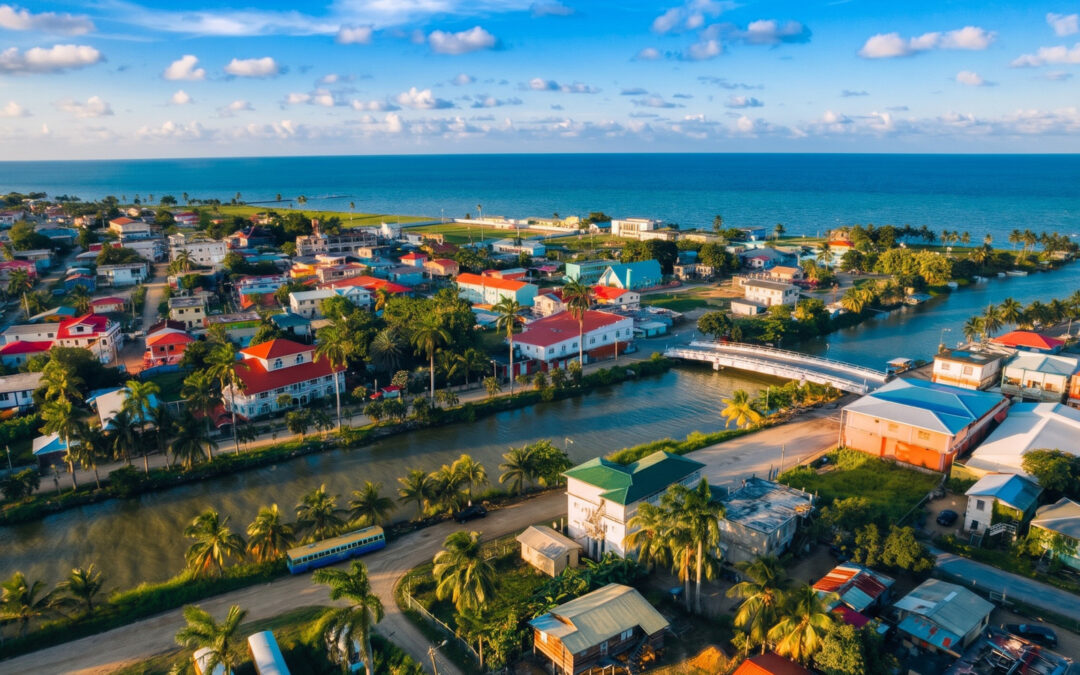
Canada updated its travel advice for Belize, a country in the Caribbean where the U.S. has also recently heightened its crime travel advisory, November 3. This update adds identification and transportation guidance following a state of emergency in parts of the country.
The notice comes as Belize drew more Canadian visitors in the first nine months of 2026 compared with the same period last year. Despite these numbers, Canadian snowbirds considering Belize for a winter stay should review the latest safety advice before finalizing their plans.
Canada Advises Belize Visitors To Carry Valid Identification

In its updated Belize travel advisory, Global Affairs Canada tells people in the affected areas to “carry valid identification and remain vigilant at all times.” It advises them to expect more police and military personnel, allow for transportation disruptions, follow local instructions, and keep up with local news.
The Canadian government also warns about armed conflicts between rival gangs, particularly in Southside Belize City, where groups fight over territory tied to criminal activity. Police have limited ability to respond to violent incidents, and many cases go unresolved.
“Gang violence is a significant concern in Belize, especially in Southside Belize City. Gang members often use weapons to resolve disputes. Clashes occur frequently between gangs to gain control over territories for illegal activities,” the advisory states.
Tourists generally aren’t the intended targets of gang violence, but being nearby when a confrontation breaks out can still put visitors at risk.
Where Belize’s State Of Emergency Applies

A 30-day state of emergency was declared on October 31 and affects parts of Belize City and nearby communities, along with two villages in Cayo District.
Canada’s advisory lists the following locations:
|
Northside Belize City |
|
Southside Belize City |
|
Ladyville in Belize District |
|
Cotton Tree and Unitedville in Cayo District |
|
Coastal Highway between La Democracia and Hope Creek |
Breaking Belize News says the measures took effect on November 1 following a rise in gang-related shootings and killings. Police Commissioner Richard Rosado said disputes between gangs were leading to retaliatory attacks and that regular policing was no longer enough to contain the violence.
During the 30-day emergency period, security forces can restrict movement, carry out searches, and detain people of interest. National Security Minister Michel Chebat acknowledged that the measures could also inconvenience people who were not involved in criminal activity.
That warning comes as the country records a growing number of Canadian visitors.
Belize Has Seen A Rise In Canadian Visitors

According to Belize Tourism Board figures obtained by Tourism Analytics, Canadian stopover arrivals reached 28,186 between January and September 2026. That was a 17% increase from the 24,085 recorded during the same period in 2025. The Canadian market grew even as Belize’s overall stopover arrivals fell 1.9% during those nine months.
The increase also comes as some Canadians boycott U.S. vacations amid political and trade tensions. An April 2026 Longwoods International survey found that 57% of Canadian travelers said U.S. government policies, trade practices, and political statements made them less likely to visit the country over the following year. Among those who said their plans were influenced by U.S. policies, 25% said they would choose another international destination.
“U.S. politics and trade policy have reduced Canadian travel to the U.S. for a year. And now the war in Iran is negatively affecting all international travel by Canadians,” said Amir Eylon, President and CEO of Longwoods International.
It is worth noting that the Belize Tourism Board’s figures cover the months before the November emergency, so they don’t show whether the latest security warnings have affected Canadian travel to Belize.
Nonetheless, with Canadian visits to Belize up this year, snowbirds planning a stay should know what precautions to take before departure and while they’re there.
Safety Tips For Canadian Snowbirds Visiting Belize This Winter

Travelers have previously raised questions about what identification to carry while exploring Belize. In an older Reddit discussion, one visitor from the U.S. asked whether they needed their passport for trips between the Cayes and the mainland or could use a driver’s license.
“Do I need to have my passport with me while traveling within Belize? We will be traveling between the Cayes and mainland for different tours via water taxi. Should we carry our US driver’s license as ID or our passports?” they wrote.
Canada’s guidance recommends carrying valid identification and keeping backup copies of important documents, including a photocopy of your passport and digital copies of your ID and travel documents.
Before departing, review the advisory and check whether your hotel, airport transfer, or planned excursions involve an affected area. Ask your accommodation or tour operator whether any arrangements have changed.

During your stay, follow instructions from local authorities and monitor local news for changes to emergency measures. Also, avoid driving after dark and stop at all checkpoints if you encounter one.
Lastly, Canadians can sign up for Registration of Canadians Abroad. The free service allows the government to notify registered travelers about emergencies at their destination or personal emergencies at home.
TheTravel has contacted Global Affairs Canada for comment.

Recent Comments