
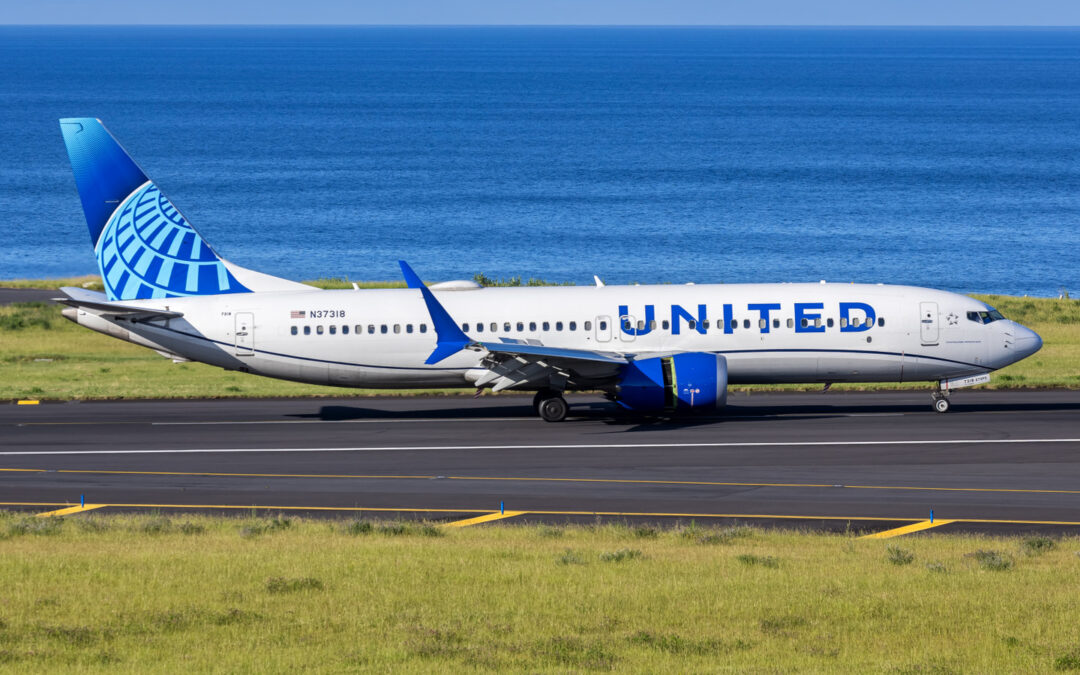
A United Airlines passenger was moved to a JetBlue Airways flight at John F. Kennedy International Airport (JFK) recently. It could have been a minor change to his trip except for one unexpected ordeal that forced him to leave one of his beloved belongings at the airport.
Speaking in Spanish, Ecuadorian surfer Jorge Sangachi filmed himself reluctantly placing his surfboard in a trash can at JFK, criticizing JetBlue’s policy for surfboards, but he hopes that a surfer finds his board and takes it for free.
The Instagram post has since generated thousands of reactions from travelers and surfers, empathizing with him, while others also hoped someone else or a surfer would pick it up.
United Airlines Passenger Leaves Surfboard In Trash Can After JetBlue Flight Switch
Surfboards get to travel by air, but airlines have different policies that travelers should heed. Otherwise, they stay at the airport if no one else is available to come and pick them up. This is what happened to Sangachi when United Airlines switched him to JetBlue Airways during his flight back to Ecuador.
Sangachi was traveling with four surfboards, but when a JetBlue agent asked how many boards he had, he told them he had two. In an interview with The Inertia, Sangachi said he was about to check his bags, but he was told he could only bring one board per bag.
The agent told him he had to drop the other surfboard, but with no one to call at two in the morning at JFK, he begged the JetBlue agents to allow his board, describing it as a “horrible” experience.
“I begged and begged, but it didn’t work. It was horrible. We spent an hour arguing, but I still had to leave the board,” Sangachi said.
He tried to settle the case for about an hour to no avail.
“Sad to leave my board in NYC! If you’re a surfer and you travel with more than one surfboard, make sure you don’t travel on JetBlue. DON’T TRAVEL ON JetBlue,” reads Sangachi’s post on Instagram.
TheTravel reached out to United Airlines and JetBlue for comment.
United Airlines Surfboard Policy
According to United’s sports equipment policy, travelers can bring surfboards, wakeboards, and paddleboards so long as they’re packed in board bags, and follow the required weight and dimensions:
|
Weigh less than 100 pounds. |
|
Measure a maximum of 115 inches long when flying on United. |
|
Measure a maximum of 92 inches long when flying on United Express. |
|
The skeg or fin is removed or padded. |
United also noted that travelers flying to or from California can have their oversized bag fees for up to two board bags waived.

Passengers on all other routes, including connections through California, must pay oversized fees for board bags longer than 62 inches.
JetBlue Surfboard Policy
While United doesn’t limit the number of surfboards per case, so long as they are less than 100 pounds, JetBlue explicitly stated on its website that only one surfboard is allowed per bag.
|
Surfboards should be in a case designed for surfboards. |
|
Surfboards must travel in a hard-sided (rather than soft-sided) case to prevent damage. |
|
Only one surfboard per case. |
While Sangachi understands the airline policy for surfboards, he still believes the incident was not fair to him, as he originally booked a ticket with United, which has a different rule for sports equipment than JetBlue.
United Airlines And JetBlue’s ‘Blue Sky’ Collaboration Is Both Seamless And Challenging For Travelers

In February, United and JetBlue rolled out their “Blue Sky” partnership, allowing travelers to purchase eligible routes operated by both carriers straight from their websites or mobile apps.
“For the first time, customers will be able to book flights on either airline using cash, points, or miles, giving travelers more freedom to shop and pay the way they prefer while accessing the strengths of either network,” reads JetBlue’s press release.
With Blue Sky, travelers can buy flights or redeem loyalty currency for eligible itineraries on either carrier’s channels. It also makes booking easier, as it shows more flights in one place, and passengers can access more destinations through JetBlue Vacations, with United flights now available as part of Flight + Hotel packages.
Blue Sky makes travel seamless for United and JetBlue customers, giving them access to each airline’s network. However, it may not be as straightforward as it seems for some passengers, including Ecuadorian surfer Jorge Sangachi, who had to endure the different policies of both carriers.
The United-JetBlue partnership may make cross-airline rebooking easier, but passengers can still encounter different baggage rules when their operating carrier changes. The differing surfboard policies have come into play, and Sangachi has faced a costly reality.
What The United Airlines And JetBlue Partnership Means For Travelers

Airlines do collaborate, and sometimes, they are rumored for a potential merger, just as when United pitched a merger with American Airlines, which may involve JetBlue. Mergers and partnerships can reshape the airline industry, and this is what United and JetBlue see with their Blue Sky collaboration.
Both United Airlines and JetBlue Airways passengers can enjoy greater flexibility, with more options when booking or navigating disruptions. The Blue Sky partnership makes it easier for travelers to reach more destinations, connect between flights, and find other travel arrangements when plans change.
However, it is important to acknowledge the distinction: that this collaboration doesn’t mean they also operate under identical policies. Both airlines still operate independently under their own brand and flight numbers, but policies, such as the surfboard rules, are enforced differently.
Understanding the policies of each airline and knowing which rules apply for United Airlines and JetBlue Airways can be just as important as having more flight options or rewards points.

Recent Comments