
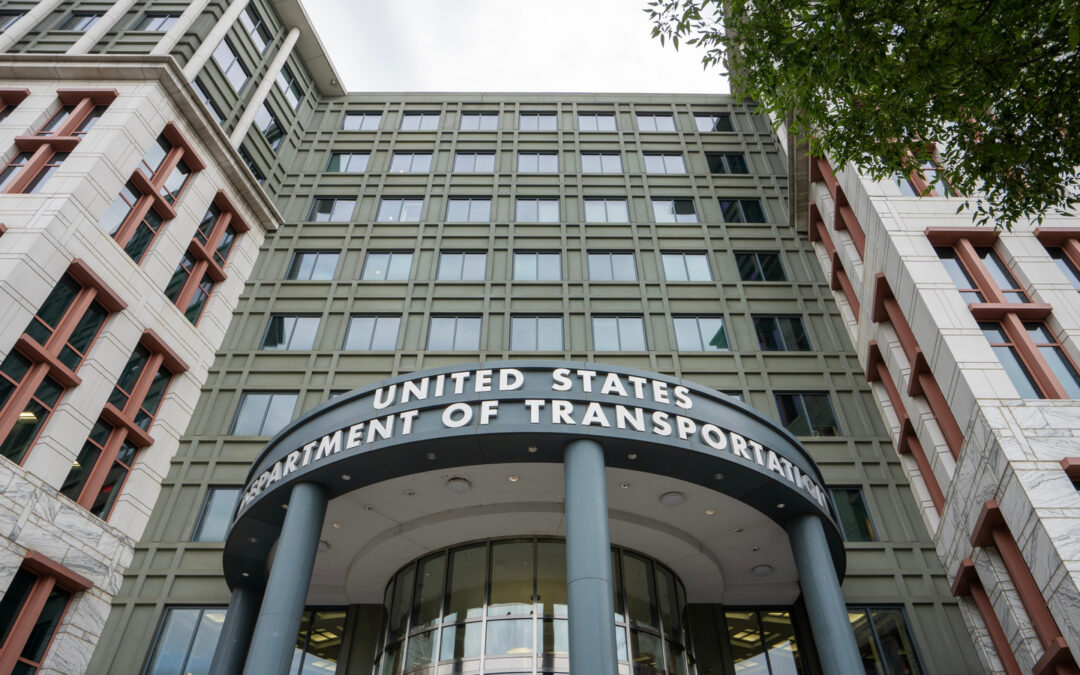
The U.S. Department of Transportation (DOT) has finalized a new rule that creates a sixth category for certain airline disruptions, allowing circumstances that could have been classified as airline-controlled for passengers to receive protection under federal reporting rules.
Posted in the Federal Register, the new rule covers ten specific circumstances and takes effect on October 19, establishing a new category known as “Section 511(b).” With the new category expanding the events that can be treated as beyond an airline’s control, passengers may go on without compensation or assistance when a flight goes wrong.
U.S. Airline Passengers Lose More Compensation Protection Under New DOT Rule

Federal law does not require airlines to provide meals, hotels, or other expenses when delays are caused by events beyond their control, such as bad weather, air traffic delays, mechanical issues, and other circumstances. However, the DOT allows airlines to deal with these events in their own discretion.
Some airlines can arrange meals and hotel rooms for stranded passengers, write checks for denied boarding compensation, such as involuntary bumping, arrange luggage resolutions, and settle other routine claims or complaints. These compensations often fall under what airlines consider “controllable” disruptions.
However, the DOT’s new rule, as outlined in the Federal Register, strips airline passengers of more protection from flight disruptions, with fewer avenues for compensation.
“To the extent that the total value of amenities and compensation that air carriers provide to consumers is reduced under this final rule, the value of that reduction is best represented as a transfer of value from consumers back to air carriers, rather than a cost to consumers or a benefit to air carriers,” reads the DOT’s Section 511(b) category.
It is also particularly important to understand not only what federal rules require, but also what the carriers have promised to offer when a flight delay leaves them stuck at the airport.
DOT’s New Category Of Airline Delays With Ten Specific Circumstances
|
Aircraft cleaning after the death of a passenger. |
|
Aircraft damage caused by extreme weather, foreign object debris, or sabotage. |
|
Delay in baggage or cargo loading caused by an outage of a bag system beyond an airline’s or a contractor’s control. |
|
A cybersecurity attack, provided the airline complied with applicable regulations. |
|
An unexpected government system shutdown or failure affecting safe flight. |
|
Overheated brakes involving the use of emergency procedures due to a safety incident. |
|
Unscheduled maintenance that cannot be deferred. |
|
A medical emergency through no fault of the airline. |
|
Removal of an unruly passenger. |
|
Airport closure due to volcanic ash, wind, or wind shear. |
The category, known as Section 511(b), could have a direct impact on what passengers can expect when flights are disrupted. For instance, if an aircraft has to undergo maintenance and fails to fly, airlines are excused from providing stranded passengers with meals, transportation, or hotel accommodations.
What Passengers Can Still Expect From U.S. Airlines During Delays

When disruptions are caused by circumstances outside the airline’s control, federal rules don’t require them to provide compensation to affected passengers. However, when events are considered “controllable,” passengers can still receive protection or assistance from the airline, and according to DOT’s Fly Rights, when not required by law, the compensation is at the carrier’s discretion.
“Like other businesses, airlines have a lot of discretion in how they respond to problems. While you do have certain rights as a passenger, your demands for compensation when not required by law will probably be subject to the carrier’s discretion,” reads the DOT’s Fly Rights.
Depending on the airline, qualifying passengers may receive meal vouchers after a delay, complimentary hotel accommodations, and transportation when stranded overnight, or free rebooking on the same or another airline without additional charge to cover.
Nine U.S. Airlines With Commitments For Compensation
According to the DOT’s Airline Cancellation and Delay Dashboard, nine U.S. airlines commit to providing a meal or meal cash/voucher when a controllable delay or cancellation leaves passengers waiting three hours or more.
- Delta
- American
- United
- Southwest
- Alaska
- Frontier
- JetBlue
- Allegiant
- Hawaiian
All these nine airlines commit to arranging hotel accommodations and ground transportation to and from the hotel for passengers stranded overnight, except for Frontier. For significant delays and controllable cancellations, all these nine airlines are also committed to rebooking passengers on the same airline at no additional fee.
U.S. airlines, however, have different policies when not federally required. When flight issues occur, the DOT urges travelers to contact the airline first to give them a chance to resolve the problem before contacting the department for help.
Airlines have designated customer service representatives to deal with complaints, and if passengers believe the carrier failed to resolve the issue, they can file a complaint by using the DOT’s web-based complaint form.
What DOT’s New Rule Means For Travelers’ Compensation Eligibility

Facing unexpected expenses due to a delayed flight can be frustrating. This is apparent during recent flight disruptions at U.S. airports, affecting airline operations. These disruptions, however, were a result of severe weather conditions, such as when the FAA recently halted flights at ten U.S. airports as Northeast thunderstorms fueled nationwide cancellations.
Sometimes, disruptions are a result of staffing issues, which recently happened at Chicago O’Hare International Airport (ORD), when the FAA issued a ground stop, halting all flights briefly.
With DOT’s new rule, creating a new “Section 511(b)” category for ten types of events that federal law now requires to be excluded from the airline-controlled category, passengers may find themselves with little compensation, or none at all, depending on the applicable circumstances.

It is also important to determine the distinction between the change in classification, which could affect whether a carrier’s existing commitments for controllable delays apply, and the airline obligations as required by federal law.
This means that the Department of Transportation’s new rule does not establish a system to deny affected passengers their meals, hotels, and transportation assistance, but rather classifies the events to determine the airline passenger rights to compensation.

Recent Comments