
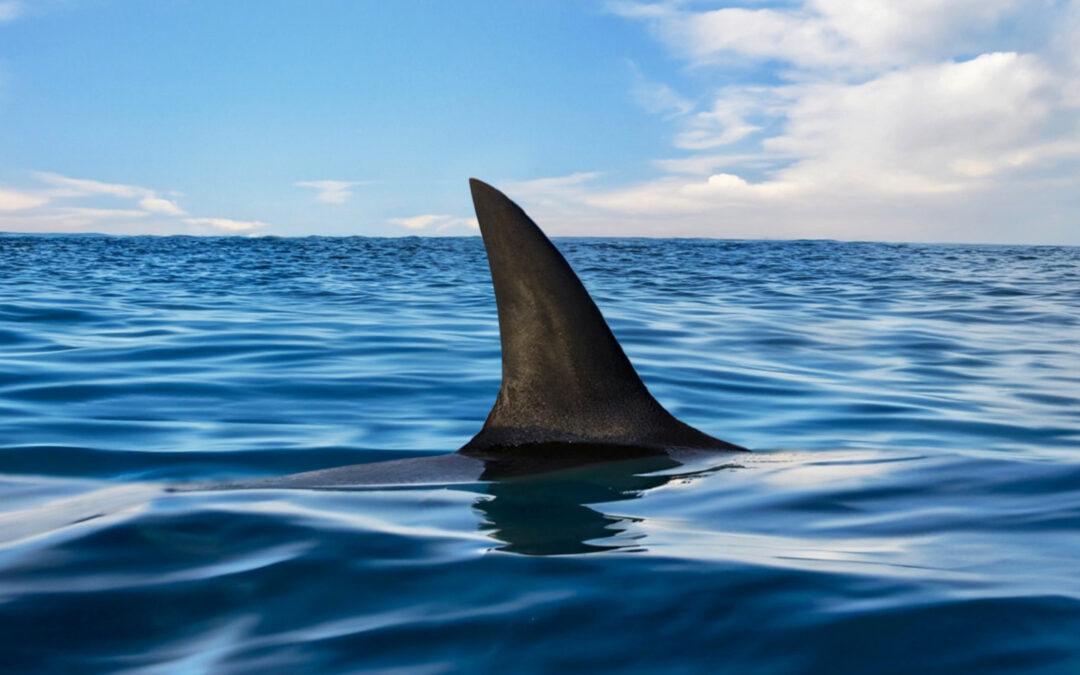
New York officials are urging beachgoers to stay alert as over a dozen shark species return to the state’s coastal habitats for their annual summer migration. As part of a seasonal effort to help keep swimmers safe, state agencies are expanding monitoring efforts and encouraging visitors to follow updated beach safety guidance throughout the summer.
With Shark Week returning this July, sharks will once again be in the spotlight. While the annual television event has helped spark decades of fascination with the ocean’s most misunderstood predators, experts say awareness and education remain some of the best tools for safely sharing the water. Although shark bites remain rare in the U.S., officials say understanding the risks and knowing what precautions to take can help make a trip to the beach safer this summer.
New York Is Helping Beachgoers Stay Shark Smart This Summer

Recently, New York officials began reminding residents and tourists that a few simple precautions can greatly reduce potentially dangerous encounters with seagoing predators. Earlier this week, the New York State Department of Environmental Conservation (DEC) issued updated guidance as the annual summer migration proceeds, encouraging visitors to remain aware of their surroundings while enjoying the ocean.
The agency notes that these animals have inhabited New York’s marine waters for millions of years, with around 13 different species migrating through the region between June and September. Rather than encouraging people to cancel their beach trips, the guidelines posted on the agency’s official website were designed to help everyone entering the water this year with simple precautions and warning signs to help them avoid potential feeding areas.
To help reduce the risk of a shark encounter, the DEC recommends that people:
- Avoid swimming near seals.
- Stay away from schools of fish, splashing bait fish, or diving seabirds, which may indicate sharks are feeding nearby.
- Avoid entering the water at dawn, dusk, or after dark.
- Stay out of murky water where visibility is limited.
- Swim, paddle, or surf with others instead of alone.
- Remain close enough to shore that feet can touch the bottom.
- Follow instructions from lifeguards and park staff at all times.
Officials also remind everyone that entering any marine environment always comes with some level of risk. While it’s impossible to predict or eliminate every potential hazard, research and education remain vital tools in helping people better understand the seas.
Inside New York’s Efforts To Monitor Sharks Along the Coast

Beyond encouraging visitors to stay alert, New York has continued expanding its efforts into monitoring and documenting shark activity along the coast. Lifeguards and modern technology all play a role in helping identify shark sightings and stepping in when necessary, as part of a greater effort to better understand their summer migratory habits.
According to abc7NY, New York has expanded its drone program this summer, with a fleet of 46 drones helping lifeguards monitor Long Island’s coastline for larger marine animals and the schools of aquatic life that tend to attract them.
Officials report that drones can continuously patrol the waters from elevated vantage points, getting a clearer view of the surrounding area. If a potential hazard is recognized, beach staff can quickly alert swimmers and temporarily clear sections of the water until the area is safe.
“Looking for sharks is like a needle in the haystack,” supervising lifeguard Cary Epstein told the station. “What you are really looking for is large pods of bait and bunker fish.”
Meanwhile, the DEC is also encouraging the public to assist researchers by documenting shark sightings through its Shark Spotter Survey. Beachgoers and boaters who encounter sharks are asked to cautiously snap a photograph of the animal when possible and submit their observations to biologists to track their movements across New York’s waterways and into other surprising places.
The agency also investigates reports of dead sharks that wash ashore. By collecting information such as the species, size, sex, and location, along with tissue samples when possible, researchers can better understand shark populations and support ongoing fisheries management and conservation efforts.
Meet The 13 Shark Species That Visit New York Each Summer
While sharks often receive attention because of the rare possibility of an encounter and their place in pop culture through media like Jaws, New York’s coastal habitats are home to a wide variety of species that migrate through the region each year. According to the DEC, each shark species has its own preferred habitat, diet, and water temperature, meaning that not every shark spotted near the coast behaves the same way.
The 13 shark species predicted to migrate through New York State include:
|
Shark Name |
Approximate Size |
Notes |
|
Atlantic Blacktip (Carcharhinus limbatus) |
Up to 8 feet |
Seasonal visitor to coastal and offshore waters |
|
Basking Shark (Cetorhinus maximus) |
Up to 40 feet |
A filter feeder whose diet consists of zooplankton. |
|
Blue Shark (Prionace glauca) |
Up to 12.5 feet |
Generally a slow swimmer that preys on small fish and mollusks. |
|
Common Thresher Shark (Alopias vulpinus) |
Up to 25 feet |
Will herd schools of fish and stun them with its tail fin. |
|
Dusky Shark (Carcharhinus obscurus) |
Up to 14 feet |
Found in coastal waters and offshore habitats. |
|
Sand Tiger Shark (Carcharias taurus) |
Up to 10.5 feet |
Juveniles inhabit sandy coastal areas during the summer. |
|
Sandbar Shark (Carcharhinus plumbeus) |
Up to 8 feet |
Alternatively called the Brown Shark, it favors coastal and offshore habitats. |
|
Shortfin Mako Shark (Isurus oxyrinchus) |
Up to 13 feet |
Fast-moving open ocean predator reaching top speeds of 43 MPH. |
|
Smooth Dogfish (Mustelus canis) |
Up to 5 feet |
Smaller coastal species. |
|
Smooth Hammerhead Shark (Sphyrna zygaena) |
Up to 10 feet |
Recognizable by its distinctive head shape. |
|
Spinner Shark (Carcharhinus brevipinna) |
Up to 9 feet |
Coastal species known for its jumping behavior, reaching heights of up to 20 feet above the water. |
|
Spiny Dogfish (Squalus acanthias) |
Up to 4 feet |
A smaller shark species that’s found in coastal environments in large schools. |
|
White Shark (Carcharodon carcharias) |
Up to 18+ feet |
Ambush predators whose young occupy Long Island’s coastal areas as a nursery habitat. |
Despite the number of species that pass through New York each year, officials stress that shark encounters resulting in injuries remain uncommon. According to the Florida Museum of Natural History’s International Shark Attack File, there were 25 confirmed unprovoked shark bites in the U.S. in 2025, and only a single case in New York.
Officials say the goal is not to remove sharks from these environments, but to better understand them and help people safely share the ocean with an important part of the marine ecosystem. As Shark Week once again shines a spotlight on these ocean predators, New York officials hope awareness and education will help visitors appreciate them from a safe distance rather than fear their seasonal return.
Understanding The Real Risk Of Shark Encounters

With more attention being placed on sharks during the summer months, especially with the onset of Shark Week, officials say increased awareness does not mean beachgoers should assume encounters are becoming more common. While sharks can be intimidating, the overall risk of a dangerous interaction remains extremely low.
According to the Florida Museum of Natural History’s International Shark Attack File, there were 65 confirmed unprovoked shark bites worldwide in 2025. Researchers note that year-to-year changes are expected, but shark encounters remain rare compared to the millions of people who enter the ocean annually.
The increased use of drones, public reporting, and scientific research may also mean more shark activity is being documented, rather than indicating that more sharks are suddenly appearing near beaches. By combining technology, education, and conservation efforts, New York officials hope residents and visitors can safely enjoy the state’s coastline while respecting the wildlife that lives there.

Recent Comments