
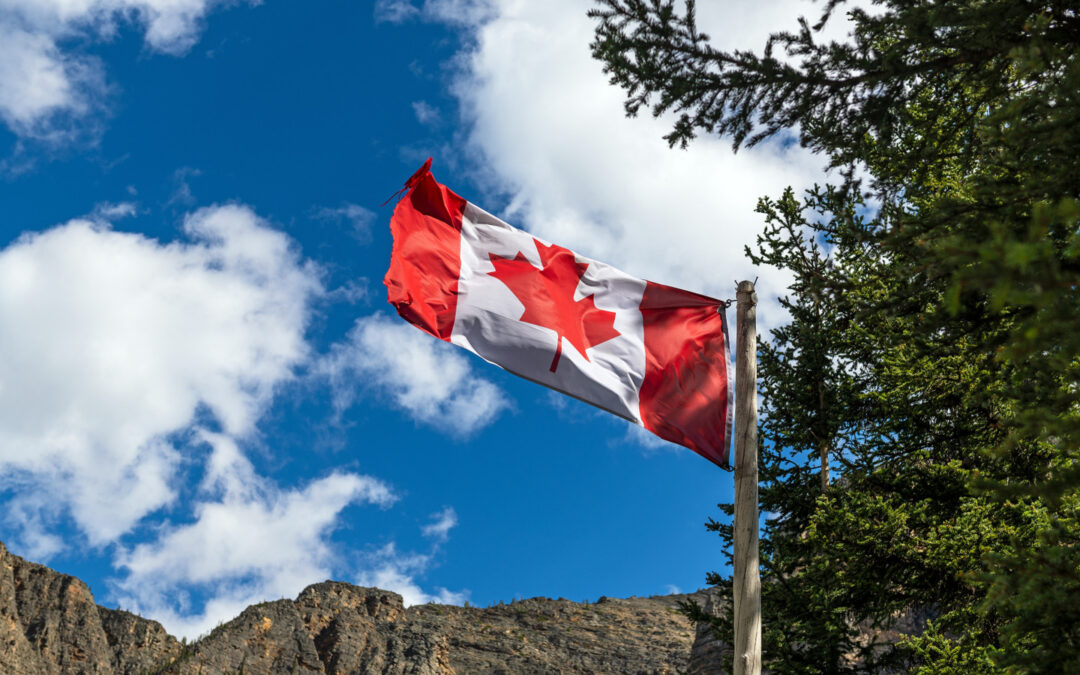
Last year, in response to the tariff war, Canadians initiated a boycott of all things American, cutting any products or services associated with the United States. This, of course, included tourism, and visits from Canadians to the U.S. plummeted; in some cases, Canadian tourists dropped by nearly 25%.
Alongside the boycott, Canada introduced the Canada Strong Pass, which, in addition to waived entrance fees at all Canadian national parks, offered discounts on travel and attractions. The program was so successful that they brought it back through the holidays and for summer 2026.
Now that summer is here, and the pass has launched, Canada is hoping it will help curb the number of Canadian travelers to the U.S., which has experienced a recent uptick.
The Canada Strong Pass Is Back For Another Summer
In 2025, as part of a national effort to promote Canadian unity and domestic tourism, the government introduced the Canada Strong Pass, which offers promotions nationwide, including complimentary entry to all national parks and a discount on camping fees. The pass drove a marked increase in park visitors, while Canadian visitors to the U.S. plummeted. The program was widely considered a success.
“You know, when you look at the numbers, last year there was about a 10% to 15% increase in National Parks. Which is a good amount…I feel like a lot of the people interested in the Canada Strong Pass are staying within Canada,” said CTV money and travel expert, Barry Choi.
This year, the pass has been launched again after a recent increase in Canadian visitors to the U.S. Although the increase has still been small, it has not been insignificant. Canadian tourism providers who will be relying on domestic tourism to be a significant portion of their summer revenue are hoping the pass will inspire Canadians to vacation in Canada, like it did last year.
Perks Of The Canada Strong Pass
The Canada Strong Pass, in addition to offering waived entrance fees to national parks, offers free or discounted admission to a number of federal sites, and discounts to attractions and on transportation from June 19 to September 7, 2026. In stark contrast to the United States’ $100 surcharge for foreigners at its national parks, the benefits are open to people of any nationality.
|
Canada Strong Pass Benefits |
|
|---|---|
|
Free admission with Parks Canada |
In addition to national parks, admission to national historic sites and national marine conservation areas is also free. |
|
25% off camping and overnight stays |
Fore and backcountry camping are 25% off, including RV sites, cabins, and historic accommodations. |
|
Free and reduced admission to museums and galleries |
Free admission for kids 17 and under, and half-off for young people 18-24 at select national and provincial museums and galleries. |
|
Free and reduced fares on VIA Rail |
Children 17 and under travel free when accompanying an adult, and young people 18-24 enjoy a 25% discount. |
While the pass is being promoted to Canadian citizens in general, it has also spent considerable effort promoting the benefits it can offer to businesses. The program is encouraging those in tourism and adjacent industries to consider ways to attract pass users and is offering a number of resources on messaging and media to encourage local businesses to offer Canada Strong Pass tie-ins.
The Canada Strong Pass Was Not Without Problems In 2025
While the initiative was largely touted as a success in 2025, the Canada Strong Pass did present some problems. Last year, many conservationists feared that the increase in guests to the nation’s national parks could portend damage that they didn’t have the resources to mitigate.
“Parks and protected areas really should be for everyone [and] can foster a love for nature,” said the director of the Communities and Coexistence Program at the Yellowstone to Yukon Conservation Initiative, Nadine Raynolds, though she notes that extra visitors can cause animals to sense that “it’s not safe to eat there, it’s not safe to mate there, it’s not safe to sleep there because there are just too many people.”
Though the program is funded by a grant from the federal government, many parks and their enthusiasts are worried about the loss in revenue and how that could affect facilities, infrastructure, and staff.
“Especially when you talk about the national parks, they’re already underfunded quite a bit, so I think a lot of Canadians are disappointed in the sense that maybe we gotta find a better way because these parks still need those resources. They’re short-staffed, they’re overcrowded. They want to make sure that these parks are clean and still enjoyable for everyone, whether it be Canadians or visitors to the country,” says CTV money and travel expert, Barry Choi.
Overcrowding At Banff National Park In 2025

As the Canada Strong Pass applies to people of any nationality, the crowds at Canada’s most popular national park, Banff, became nearly unbearable during the 2025 summer season. Hiking trails and parking lots were full to capacity, and park shuttles were sold out every day. Many citizens became concerned that the pass could be used by foreigners as well.
“If it was free for just Canadians, it would be more understandable, but being completely free for everyone – which creates a boatload of more vehicle traffic – that’s a big problem,” board member, Bill Keeling told CTV News.
As Canada’s oldest national park, it receives over 4 million guests a year, nearly a quarter of the annual total visiting Parks Canada’s entire network. Many Canadians suggested that an exception to the Canada Strong Pass should be made for Banff alone, while the remainder of the national parks would remain free.
“It’s become overcrowded, and it’s impacting the quality of the experience for visitors and is also starting to put pressure on park resources because the town wants to expand parking facilities into a critical wildlife corridor,” conservationist Harvey Locke told CBC News.
While Locke’s suggestion was to neither charge foreigners nor eliminate Banff from the Canada Strong Pass, he did advocate for a daily pass system that would turn away visitors when the park was at capacity.
Canada’s Boycott Of The U.S. Continues

Though the U.S. has used many tactics to lure Canadian visitors, including installing the first preclearance checkpoint for rail passengers, the boycott remains. Canada is hoping that the second year of Canada Strong Pass will continue that trend and boost domestic tourism, and the government may also hope to attract American visitors.
“The Canada Strong Pass celebrates what unites us—our shared experiences, natural wonders, and cultural richness. The Pass is about making it easier for everyone—especially youth and families—to explore Canada and celebrate what makes this country extraordinary,” the pass page explains.
A recent surge in American travelers to Canada may explain why the government insists on the pass benefits remaining free for everyone. It was successful last year as a driver of tourism, and the Canadian government may be hoping to capitalize on American tourism dollars while also driving the same metric domestically.
While Americans are welcome to experience the benefits of the pass in Canada this summer, the U.S. may have to bear the brunt of another season of declining visits from Canadians.

Recent Comments