
The Grand Canyon in Arizona, one of the most beautiful natural wonders in the U.S., never fails to impress with its sheer size, sacred Indigenous heritage, and millions of years of geologic history. However, other canyons are equally stunning, with each representing various geological events.
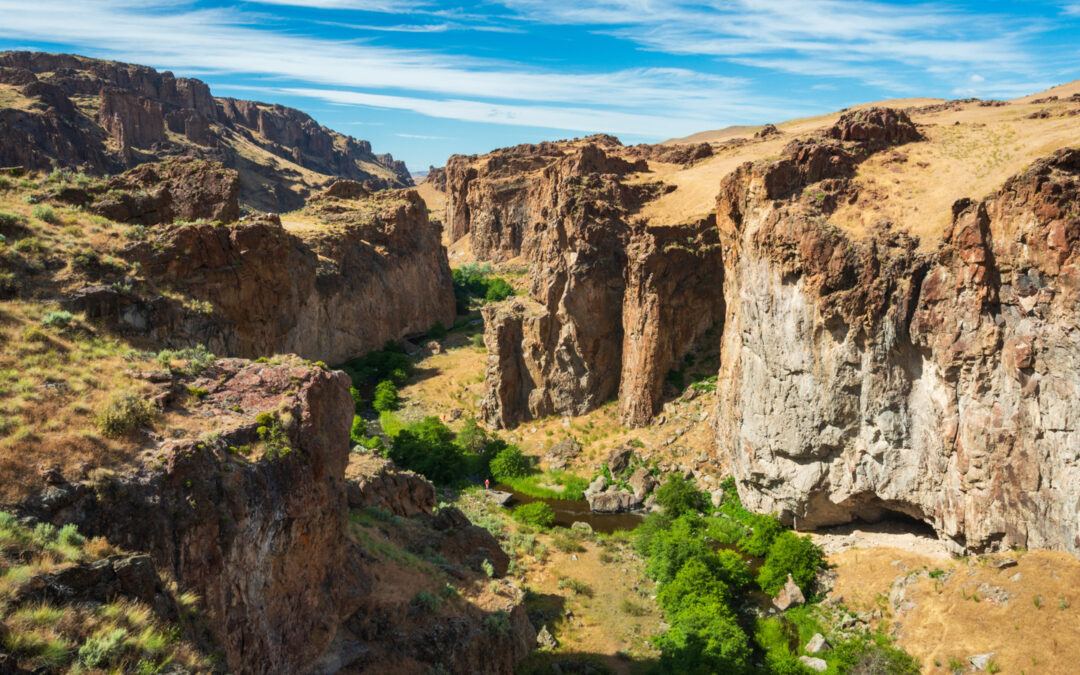
Hidden in Oregon’s remote southeastern corner is the Owyhee Canyonlands, a rival that is just as breathtaking. Dubbed the “Grand Canyon of Oregon,” this natural wonder extends across a vast wilderness of colorful cliffs, winding rivers, and ancient volcanic rocks.
The Owyhee, as one of the “Grand Canyons” in America that many people haven’t heard of, is a perfect destination for those who seek adventure off the beaten path. While getting there requires a little extra effort, the reward is a landscape so vast and dramatic, it feels like stepping onto another planet.
For those looking to skip the usual tourist trails and discover a landscape as (or nearly) majestic as the Grand Canyon, the Owyhee Canyonlands await.
The Owyhee Canyonlands Is The Underrated “Grand Canyon Of Oregon”

Stretching across nearly 2.5 million acres, the Owyhee Canyonlands in southeastern Oregon are one of America’s last great untamed frontiers. Over 15 million years ago, a series of violent volcanic eruptions and relentless river carving began shaping this rugged landscape. Lava flows hardened into dense basalt cliffs, while rivers like the Owyhee gouged deep canyons into the earth, creating a maze of 1,000-foot-deep gorges, jagged spires, and vividly colored badlands.
Roads within the canyonlands are rocky and unmaintained, so adventurers should carry spare parts for their four-wheel drive. Visitors should also stock up on food essentials as gateway communities are over two hours away.
This created a quieter version of Arizona’s natural wonder, making it one of the amazing canyons in the U.S. worth visiting besides the Grand Canyon. The sense of space and silence is profound, offering visitors a rare glimpse of the American West as it existed centuries ago. Here, rock faces are red hues, creamy yellows, soft grays, and rusty oranges, while shadows stretch across endless gulches and plateaus.

In addition to the awe-inspiring landscape, wildlife thrives in this desolate paradise amid its stark beauty. Pronghorn antelope sprint across open flats while bighorn sheep scale the vertical cliffs. Overhead, golden eagles soar overhead, while the area’s sagebrush habitats support the greater sage-grouse, a bird species considered for listing under the Endangered Species Act.
When To Visit Owyhee Canyonlands:
- Spring (April–early June): Ideal temperatures (60s to 70s °F), blooming wildflowers, and higher river flows for rafting. However, rain can make dirt roads muddy and impassable.
- Fall (September–October): Cooler days, golden-hued desert landscapes, and far fewer visitors.
- Summer (July–August): Arrive well-prepared. Daytime temperatures often soar above 100°F, and there is almost no shade.
- Winter (November–March): Harsh weather, icy roads, and limited access make winter trips extremely difficult.
Geological And Natural Wonders In The Owyhee Canyonlands

Owyhee may not be one of the seven natural wonders of Oregon, but it has striking features like the Leslie Gulch Wilderness Study Area, a surreal landscape sculpted by ancient volcanic activity. Here, massive spires and honeycombed cliffs rise in a stunning palette of ochre, rose, and gold. The towering formations, composed largely of rhyolite tuff, create an otherworldly landscape best explored via trails like the scenic Juniper Gulch.
What To Know Before Visiting Owyhee Canyonlands
|
Limited Services |
No gas stations, grocery stores, or cell service within the Canyonlands. Fuel up and stock supplies in larger towns before heading in. |
|
Road Conditions |
Most access roads are gravel or dirt, and many become impassable when wet. High-clearance, four-wheel-drive vehicles are highly recommended. |
|
Navigation |
GPS can be unreliable; carry detailed paper maps (such as the BLM Owyhee Canyonlands map) and know how to use them. |
|
Safety |
Adventurers should expect to be completely self-sufficient and inform someone of their travel plans. Bring extra water, spare tires, and emergency supplies. |
|
Permits |
Generally not required for hiking or camping in most areas, but check BLM regulations if planning a group trip or overnight rafting adventure. |
Not far away, the Jordan Craters reveal another layer of the Canyonlands’ dramatic past. This expansive lava field, born from eruptions about 3,000 years ago, blankets over 27 square miles with black basaltic rock. Adventurers can hike around Coffee Pot Crater, the largest and most recent vent, while marveling at twisted lava tubes and jagged flows.
Exploring Owyhee Canyonlands: Hiking, Camping, And Rafting
The vast Owyhee Canyonlands invite adventurers to hike dramatic gulches, raft wild rivers, cast lines into blue waters, and sleep beneath star-studded skies. This wilderness offers some of the Pacific Northwest’s most thrilling and raw outdoor experiences. Here are some of the must-do activities.
Hiking
Owyhee Canyonlands is home to some of the most beautiful hiking trails in Oregon that deliver stunning views. These are some that wind through colorful canyons, sagebrush plateaus, and volcanic cliffs.
|
Painted Canyon Loop (Hard) |
8.8 miles |
This is one of the most visually stunning hikes in the region, leading trekkers through multicolored rock formations that glow in shades of red, orange, and purple. The trail offers sweeping vistas of the canyon floor and distant buttes. |
|
Juniper Gulch (Moderate) |
3.3 miles |
This short and easy trail explores the scenic Leslie Gulch, and quickly immerses visitors in towering rhyolite walls that seem to ripple and twist overhead. In spring, wildflowers add splashes of color to the landscape, and bighorn sheep are often spotted clambering up the crags. |
|
Timber Gulch (Hard) |
1.2 miles |
The 1.2-mile trail is ideal for those looking for a peaceful, less-traveled route. This canyon hike offers breathtaking views of red and yellow rock spires. The gentle climb makes it suitable for families or casual hikers wanting to savor the unique geology without the strain of a long trek. |
|
Dago Gulch (Easy) |
2.1 miles |
Dago Gulch is another gem in Leslie Gulch, featuring a wide, open canyon lined with towering formations. It is perfect for photographers aiming to capture the shifting light and dramatic contrasts of the Owyhee landscape. |
Camping

BLMIdaho, Public domain, via Wikimedia Commons
Camping under the stars is a must-do for outdoor adventurers seeking starry skies and digital detox. The Owyhee Canyonlands feature several camping sites, including Slocum Creek Campground in Leslie Gulch. This campground offers basic amenities like vault toilets, except potable water. Another site where travelers can spend the night is the remote Three Forks Recreation Site, offering riverside camping spots ideal for swimming, fishing, and soaking in nearby hot springs.
Fishing

Anglers find a hidden paradise along the Owyhee River, especially below the Owyhee Dam. This blue-ribbon trout fishery is famous for large, healthy brown trout, some reaching up to 25 inches. The river’s slower, meandering stretches are perfect for fly fishing while admiring the surrounding canyon walls.
Rafting

BLMIdaho, Public domain, via Wikimedia Commons
For adrenaline seekers, rafting the Lower Owyhee River is a true bucket-list experience. Best attempted in spring l, this section offers exciting Class III rapids, towering canyon walls, and remote campsites accessible only by boat. Trips typically span three to five days, offering an immersive journey through one of America’s awe-inspiring wilderness areas.
Towns Near Owyhee Canyonlands:
- Jordan Valley, Oregon – 1h 52m (42.7 mi) via Blowout Reservoir Rd
- Adrian, Oregon – 2h 46m (96.3 mi) via US-95 S
- Nyssa, Oregon – 2h 53m (102 mi) via US-95 S
The Owyhee Canyonlands, often called Oregon’s “Grand Canyon,” reveal a hidden world of towering cliffs, wild rivers, and untouched desert beauty. From hiking painted canyons to soaking in riverside hot springs and rafting along remote gorges, the area offers endless adventures for those willing to venture off the beaten path.
With careful planning, a journey into this rugged frontier promises solitude, vivid landscapes, and a deep connection to one of America’s lesser-known wildernesses.

Recent Comments