
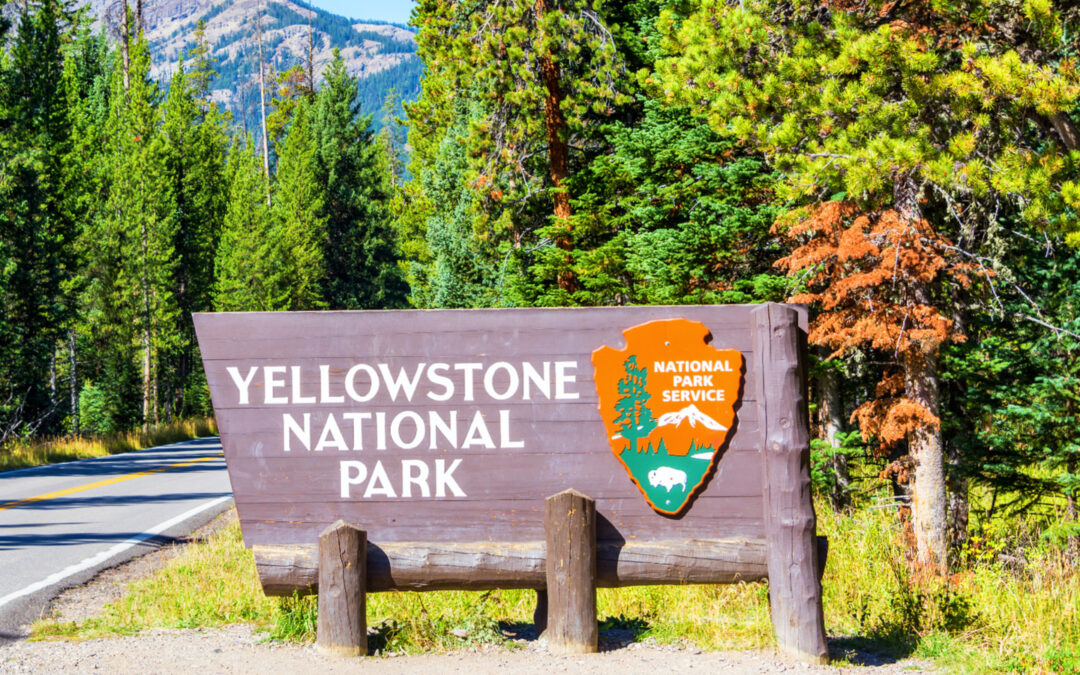
Yellowstone National Park was the third most visited U.S. national park last year, welcoming 4,762,988 tourists. 2025 also marked the second-busiest year for the park after 2021, when it received a record 4,860,242 visitors. However, the trend may be shifting downwards as the park reported back-to-back decreases this summer, over half a year after the controversial $100 surcharge for international tourists across several parks, including Yellowstone.
Introduced by the Department of the Interior (DOI) in November 2025, President Donald Trump’s “America-first” pricing policy for parks took effect in January, immediately affecting foreign bookings for U.S. national parks, according to tour operators. Here’s a closer look at Yellowstone’s tourism landscape following the major price change.
Yellowstone National Park Visits Drop In June And July

On Tuesday, Yellowstone National Park shared its visitation statistics for July, revealing a 2% decline from the same month last year. According to the news release, the park had 958,706 recreation visits last month compared to 975,109 in July 2025. This is an 11% decrease from Yellowstone’s record 1,080,767 visits from July 2021—the park’s busiest July on record.
In June, the park hosted 3% fewer tourists (903,025) compared to the same month in 2025 (928,250). Yellowstone was on track to see record-shattering crowds this summer after May 2026 saw a 1% increase (570,272) in visitors from May 2025 (566,363), making this year’s May the busiest in the park’s history.
Yellowstone’s Overall 2026 Tourist Numbers Lose Momentum
Despite initial predictions of unprecedented visits this season, Yellowstone’s total tourist numbers from January to July 2026 are actually down 1% compared to the same periods in 2025 and 2021. Below is a comparison of visits to Yellowstone from January through July since the post-pandemic surge:
|
Year |
Yellowstone National Park Visitors |
|
2021 |
2,668,765 |
|
2022 |
1,855,396 (closed Jun. 13–21 due to flood) |
|
2023 |
2,462,535 |
|
2024 |
2,626,091 |
|
2025 |
2,666,031 |
|
2026 |
2,635,384 |
Yellowstone’s official release does not mention any factors contributing to the recent drop in summer visitations, so it remains unclear if the new “America-first” pricing structure is driving the dip. However, this follows earlier reports of international travelers’ changing booking patterns for U.S. national parks since the additional $100 entrance fee for non-U.S. residents.
TheTravel reached out to Yellowstone National Park for more insights into the recent drop in its visitor numbers, but did not receive a response by the time of publication.
Fewer International Bookings To U.S. National Parks After $100 Fee Surcharge

On Jan. 1 this year, 11 of the most visited national parks in the U.S., including Yellowstone, began to require non-U.S. residents (aged 16 and up) to pay an extra $100 per individual on top of the standard entrance fee. The America the Beautiful Annual Pass has also more than tripled for foreign visitors, going from $80 to $250, while U.S. residents continue to pay the standard $80.
By February, international tour companies were already feeling the impact, with cancellations and delayed bookings. The National Parks Conservation Association (NPCA) highlighted this issue in its call for the Interior Department to pause the implementation of the higher prices until “challenges are addressed.”
“International tour companies report cancellations and delayed bookings due to the non-resident surcharge. Lodges and adventure tour operators are seeing declines and fear long-term impacts,” NPCA said in its statement. “Gateway communities are concerned and have expressed a need for more time to assess the policy’s effects on local tourism.
Some foreign tourists still heading to Yellowstone this summer think the increased prices are still worth it, as they believe the fees “give back to nature” and to park maintenance. But in recent months, fears and scrutiny surrounding international tourist fees have intensified after roughly $90 million in National Park Service (NPS) entrance fee revenues were redirected to the Trump administration’s “beautification” projects in Washington, D.C.

In June, TheTravel reported on Yellowstone losing funding for a roof repair meant to stop leaks and pests to foot a $700,000 walkway replacement at the White House. Adding to this are the growing concerns among local tourism businesses in the Yellowstone area about how these recent developments affect them.
Local Concerns About Where Yellowstone’s International Fee Revenue Goes
Speaking to KTVQ News in late July, co-owners of the Good Food Place in Gardiner (Yellowstone’s northern gateway), Wendy Wozniak and Daniel Kosel, expressed some of their worries about the $100 surcharge on overseas visitors. Yellowstone National Park welcomes 600,000 to 700,000 international tourists per year, or about 15% of its total annual visitors.
“What is that revenue being used for?” Kosel said. “Is it something that’s actually going to impact this basin? Or is it just a revenue that is actually perceived as a negative by potential visitors? … As long as the money is accomplishing something good for Montana, I support it. If it isn’t, let’s make an adjustment.”
Wozniak added that they are hoping “there is a custodian over those additional fees” to ensure that they “do the right thing with the money.” The restaurateurs remain optimistic about this summer and are still waiting for the end of the season to assess the actual impact of the increased fees for foreign tourists.

Given that Yellowstone’s summer visitations have only fallen slightly this year, it may stem more from the ongoing U.S. tourism slump and broader economic shifts rather than visitor pushback against the hiked fees.
After all, many adventurers still think the sights in Yellowstone are “priceless,” like first-time visitor Ravi Parikh. The Virginia resident told KTVQ that he does not mind the increased fees as “you can’t put a price” on experiences like witnessing animals in their natural habitat.

Recent Comments