
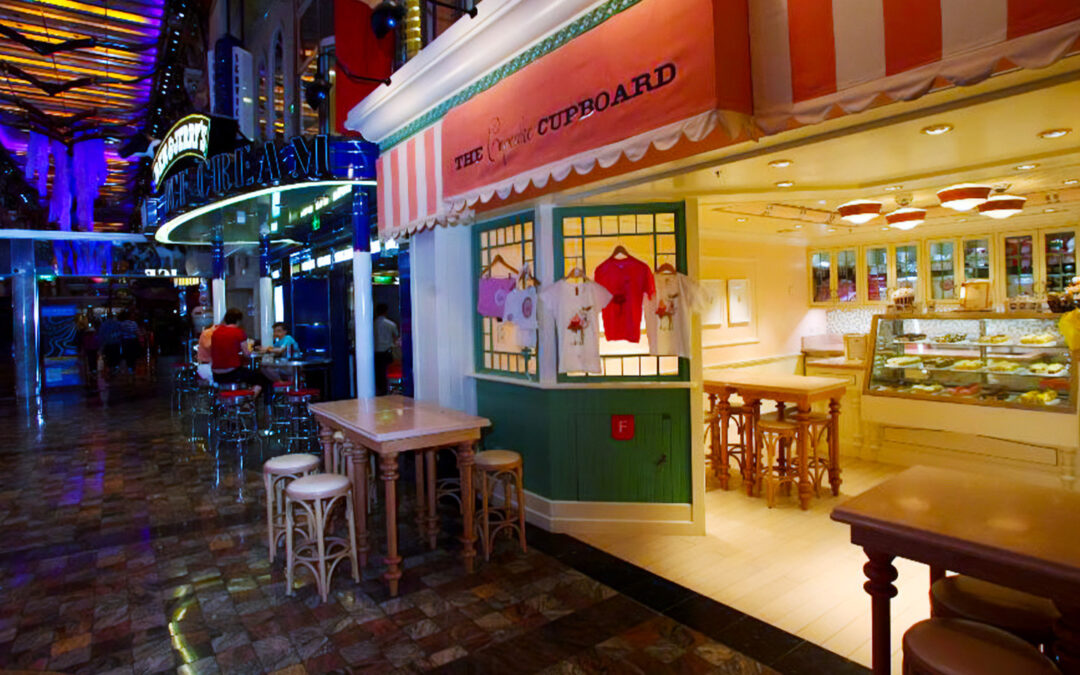
Royal Caribbean‘s onboard cupcake decorating class, together with its similar pretzel decorating session, is offered as an additional add-on for all passengers looking for a lighthearted way to spend time in between ports.
While this seems like a delicious way to pass the time at sea, some guests are outraged over the price, as well as the limited output they get at the end of the class. Passengers who took to Reddit say Royal Caribbean’s cupcake class costs $48 per person, despite ending up with just one cupcake at the end.
Similarly, some guests on another Reddit post called out the pretzel class’s whopping $40 charge. Meanwhile, Royal Caribbean recently added a $30 early access charge, which some guests called an “impatience fee.” The trend here is nickel-and-diming; many cruisers feel cruises are getting more aggressive with onboard upselling, add-ons, and charges, some of which were once free or more fairly priced. So, have they had enough, and where’s is the line for the à la carte method of cruising versus more premium all-inclusive options?
Royal Caribbean’s $48 Cupcake Decorating Class Could Be The Final Straw
According to Royal Caribbean passengers, cupcake decorating classes are available for $48, including tips. The 45-minute classes apparently yield just one fondant-decorated cupcake, which some guests say takes roughly five minutes to make, with the rest of the time being stretched. Unsurprisingly, many guests aren’t impressed, especially with the already high cost of cruising.
“People [have] got to stop paying for these classes. These events should be part of the price of cruising considering how much fares cost,” one passenger wrote on Reddit.
Even though $48 for one cupcake is the last straw for some guests, the backlash isn’t solely about cupcakes. The reaction represents growing frustration over the rising number of onboard extra charges and add-ons. It also comes as cruise lines are charging for perks and amenities that were once free or included in base fares or pre-existing packages.
In fact, this happened recently when Royal Caribbean drew criticism, notably on the Cruise Critic forum, for charging $4.99 for a Coca-Cola souvenir cup—something that used to be included in Deluxe/Refreshment beverage packages. For many loyal guests, these charges are adding up quickly.
In another example, complimentary private time on the FlowRider used to be included in Royal Caribbean’s “The Key” add-on program. However, the program was updated, and this perk was removed.
On the whole, many cruisers are becoming increasingly fed up with the industry’s shift towards so-called “à la carte” pricing rather than the all-inclusive models they’ve been used to. Services like room service, Wi-Fi, and even additional dining options now incur extra fees where they didn’t before. One commentator shared that the whole system seemed designed to take advantage of passengers:
All that stuff is WAY overpriced and basically a ripoff. I think they count on “first timers” signing up for these before they wise up before the next cruise.
Against this backdrop, spending almost $50 per head on a cupcake decorating class, for some passengers, is perhaps the final straw. And this nickel-and-diming phenomenon isn’t just in passengers’ heads. Guests aren’t wrong in noticing that cruise lines are slowly but surely creeping more fees into the final bill as time goes by (while stripping back free or previously included perks as well).
Are Guests At Breaking Point About Increasing Cruise Fees And Add-Ons?

In recent years, guests have noticed gradually increasing fees on cruise lines. One example is daily automatic gratuities, which, across major cruise lines (not just Royal Caribbean), have risen between 10% and 25%, Forbes reported. This, of course, adds hundreds of dollars to a family’s bill at the end of a trip, with many cruises no longer including gratuities in their packages.
Although gratuities are prevalent across the cruise industry, Royal Caribbean has become notorious for these kinds of add-ons and separately charged premium amenities.

To some extent, guests have accepted these changes as part of a wider industry shift, especially as cruise lines battle rising operating costs and ongoing inflation.
But for many loyal passengers, paying $48 for an underwhelming cupcake decorating class apparently feels less like a premium experience and more like a nickel-and-diming insult, particularly after already paying so much for a cruise vacation, along with more mandatory add-on fees sneaking into the final bill.

So, while all cruise guests may not have reached a true breaking point yet, Royal Caribbean’s growing list of controversial fees is beginning to make passengers aware of just how much extra they’ve been paying, even if it’s been little by little. Moreover, gradually being charged more for less isn’t solely a Royal Caribbean issue—or even a cruise one. It’s happening across pretty much all travel and tourism industries.
Shrinkflation Is Rife Across The Travel Industry

For many cruise passengers, the concern surrounding the $48 cupcake decorating class isn’t about the class itself, but what it represents. More and more travelers feel as though they are paying the same as before (or even increasing what they’re spending) but receiving less in return, a phenomenon known as “shrinkflation.”
This is not unique to the cruise industry, but is seen everywhere in the travel sector, from how many chips you get in an in-flight snack bag to the size of free luggage allowed on a flight as standard, to resorts that now charge extra for perks that were once included, from parking to welcome water bottles.
On the surface, cruise base fares haven’t increased a huge amount in recent years, especially when compared to soaring prices across the wider travel industry. Still, many cruise lines are quietly moving away from the all-inclusive model and instead relying on a growing list of pay-as-you-go extras.

For passengers, these prices can quickly add up. A $5 cup or $50 activity may not seem like a huge deal, but over time, these prices add up, and a cruise that started at $2,000 can quickly increase by hundreds more with gratuities, add-ons, and premium package supercharges that used to be included as standard.
Again, this is an industry-wide practice. It used to be that only low-cost airlines charged extra for luggage. Now, premium airlines offer “light fares” with no checked baggage included as standard; however, they’re still selling for their usual premium price point. Some resort fees no longer cover Wi-Fi, free parking, or the “premium” areas of the gym. It’s a systemic issue within the travel industry.
Can Guests Fight Back Against The Stripping Of Classic Amenities With No Price Cuts?

The big question is, can cruise guests fight back against these increasingly present extra charges and add-ons? The short answer is yes. Norwegian Cruise Line recently tried to remove Great Stirrup Cay, the company’s private island in the Bahamas, from its “Free at Sea” package, asking guests to pay an extra $21 per person per day for drinks on the island. Passengers complained so much that Norwegian reversed the decision before it could really come into effect.
This debacle was a huge win for the collective bargaining powers of customers versus huge corporations, like the cruise lines, that will probably continue to nickel and dime passengers unless they’re called out.
At the end of the day, it may start with a $48 cupcake decorating class, but before long, a bill that reads more like a Costco receipt than a cruise trip summary. If cruise lines intend to continue removing included perks and increasing add-ons, perhaps that needs to reflect a lowering of the base fare.

Recent Comments